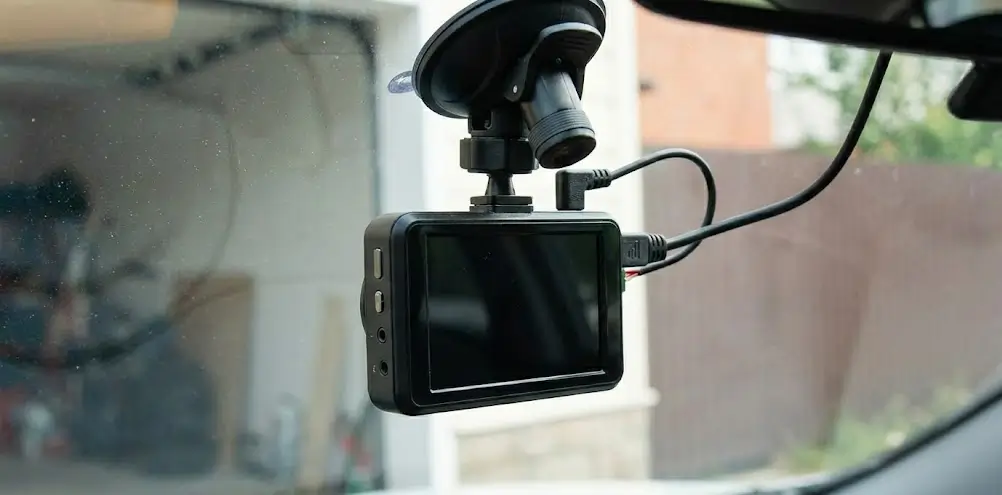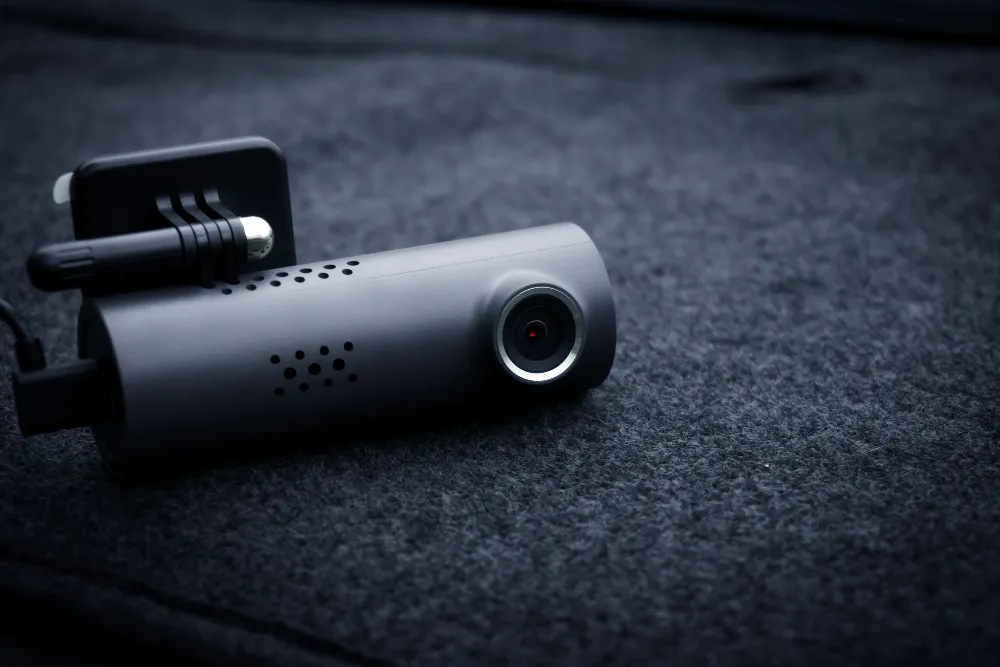
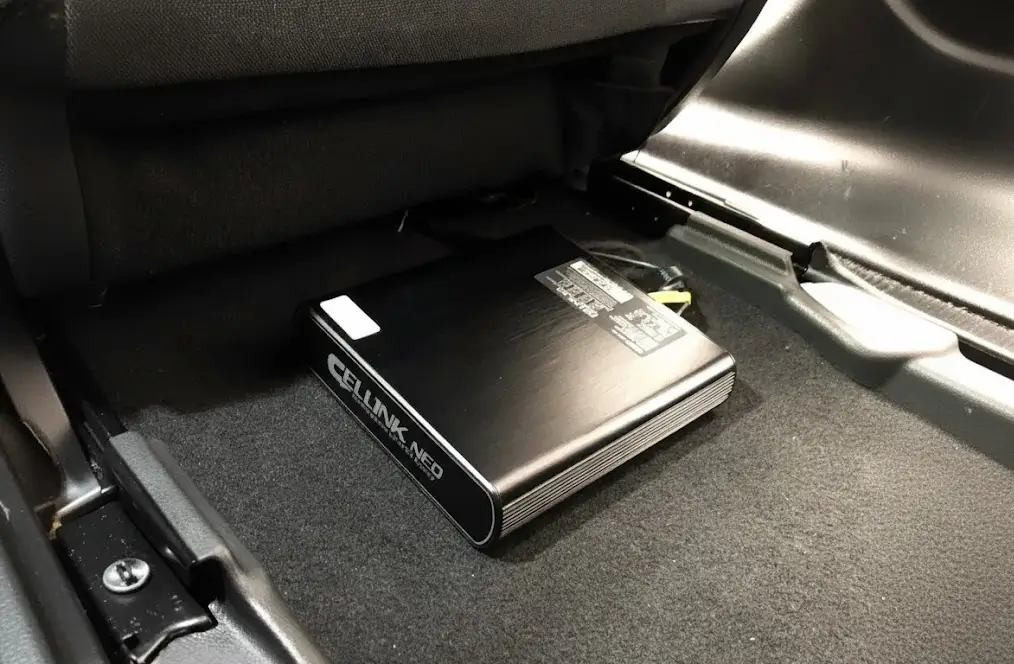
TL;DR: Capacitors in dash cams handle heat better than small internal batteries and keep power stable for clean file saves and fewer glitches. In Australian conditions, pick a capacitor model and add hardwiring or an external pack if you want long parking coverage.
Key Takeaways:
Capacitor-powered dash cams are built to handle Aussie heat, restart quickly, and keep saving clean footage when you need it most. If you want a camera that quietly does its job day after day, a capacitor model offers steady reliability with fewer hiccups.
Battery-powered dash cams struggle in hot cabins and their tiny cells fade fast in summer across Melbourne. That is when files can corrupt or recordings skip, and the proof you needed can slip away.
A capacitor stores a quick burst of energy so the camera can save files cleanly when you switch off the car. It also gives the dash cam a brief safety window to wrap up the file, which protects the clip you just recorded.
Capacitors cope with a wider range of temperatures, from hot parked cabins to chilly starts. That means fewer random shutdowns, fewer corrupted clips, and a better chance your crucial footage is waiting when you need it.
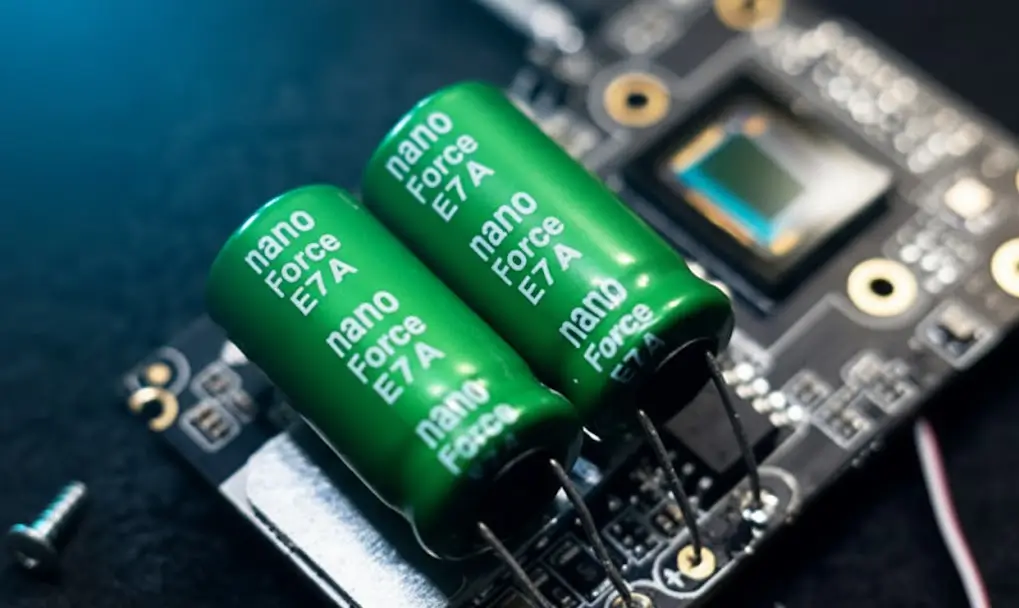
A capacitor is the sprinter that never tires, while a small lithium battery is more like a jogger that overheats. Both can power shutdown tasks, yet only one stays stable when the cabin heats up.
Heat is the enemy of tiny batteries. Capacitors shrug off cabin heat that builds up in parked cars, which keeps the camera dependable on hot afternoons.
Batteries can swell or fade in capacity over time under heat stress. Capacitors are solid-state parts that are less prone to swelling, so they are a safer choice for something stuck to your windscreen.
Daily start-stop cycles wear small batteries faster than most owners expect. Capacitors handle those cycles with ease, so your camera wakes up every day and keeps doing its job.
Brownouts cause file corruption and lost plates. Capacitors keep voltage steady during ignition dips, which helps the camera save clean files and keep number plates readable.
Batteries can support longer clock backups or short parking features in budget units. They also let some cameras keep a small internal timer, which is cheaper than engineering a robust power design.
If you park in shaded, cool garages, you may not notice the difference right away. But long Aussie summers usually tell a different story. For more on how extreme temperatures can damage electronics in your car, see this guide on how the Aussie heat could be silently killing your dash cam.
Sensor and processor performance relies on consistent voltage. Capacitors help prevent sudden drops that can cause artefacts or missed frames.
Stable power also improves the chance of a clean shutdown after a hit. That can be the difference between proof and no proof.
Buying a dash cam can feel like a maze, so use this quick guide to compare a dash cam capacitor vs battery and pick gear that suits Aussie heat. Look for capacitor or supercapacitor power, a wide operating temperature, and a discreet mount that sits high behind the mirror.
Choose models with buffered event recording, easy app setup for Wi‑Fi and GPS time sync, and parking mode with voltage cut‑offs or a timer to protect your battery.
Ask about CPL filters and tidy cable routing, then choose local supply and installation so you have clear warranty support and aftercare.
Even the best power design needs a healthy microSD card. A worn card can undo good hardware. .
A good installer will set the camera up and show you simple card care habits.For a deeper look at why incorrect storage setup quietly shortens dash cam life, see this guide: dash cam storage setup exposed and how your setup is quietly killing your camera.
Capacitor dash cams suit drivers who deal with heat, traffic, and long parked hours. If any of these sound like your day, you will see the difference.
Melbourne’s stop‑start commutes and summer heat are tough on cheap cameras. Capacitor-based dash cams handle traffic jams, hot cabins, and constant starts better, which means steadier uptime and fewer missed moments.
If you drive from the CBD out to the suburbs, you want gear that simply works every time. Capacitor models stay on, save cleanly, and give you peace of mind when the unexpected happens.
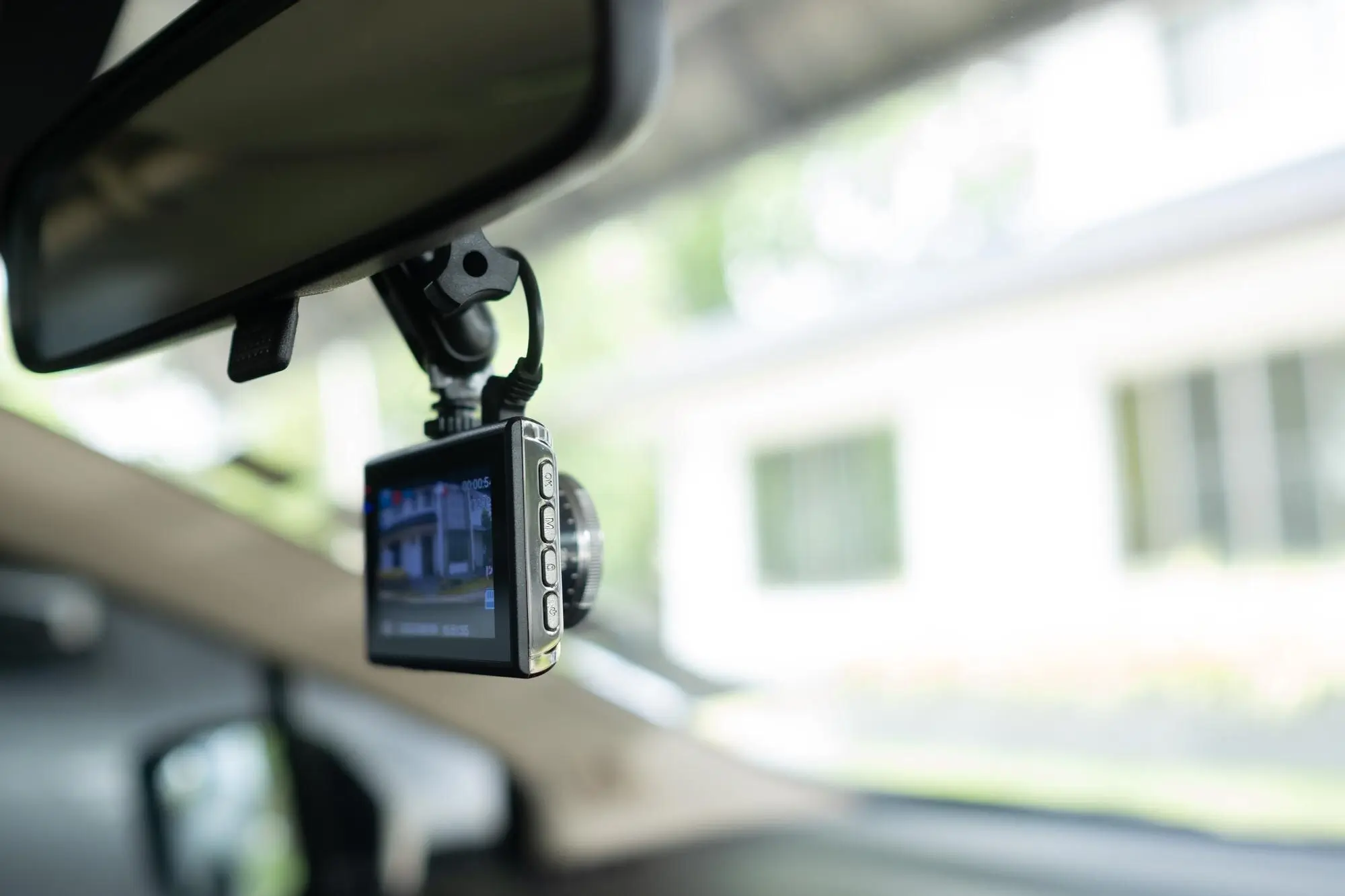
Battery-based dash cams can look like a bargain at checkout. After a few summers, the hidden costs start to show.
If you want real value, pick gear that survives Melbourne heat and daily stop start driving. Capacitor-based dash cams usually deliver more years of steady service for the money.
DNH Dash Cam Solutions is a Melbourne mobile installer serving suburbs within 50 kilometres of the CBD. With 25+ years of experience, we fit tidy 1, 2 and 3 channel systems for cars, SUVs, vans and utes.
We finish installs to a factory look, test power during ignition, and set up your microSD and parking mode so files save cleanly. We can also supply external battery packs and back it all with clear quotes, friendly aftercare, and a finish that looks like it came with the car.
Local experience means we know your model’s power routes and the cleanest mounting position for a factory look. Get a fast quote and priority mobile booking across Melbourne.