TL;DR: dual channel dash cam records both front and rear views of your vehicle, helping Australian drivers stay protected with reliable footage for accidents, insurance claims, and peace of mind.
Summary: A dual-channel dash cam setup includes two cameras—one for the front and one for the rear—capturing both perspectives simultaneously. It’s an ideal tool for everyday drivers, rideshare operators, fleet managers, and new drivers. These dashcams provide clear, real-time evidence in the event of accidents or false claims, promote safer driving habits, and can deter theft. With features like G-sensor impact detection, GPS tracking, night vision, and parking mode, they deliver round-the-clock protection. Installation options range from DIY to professional services.
Picture this: You’re driving home after work and suddenly get rear-ended. It’s your word against theirs. But what if you had video footage capturing both the front and back of your car? That’s where a dual channel dash cam can be a game-changer.
In Australia, more drivers are turning to dash cams to protect themselves on the road. But what exactly is a dual channel dash cam, how does it work, and why should you care? This article explains everything car owners and fleet operators need to know—from functionality and benefits to who should invest in one.
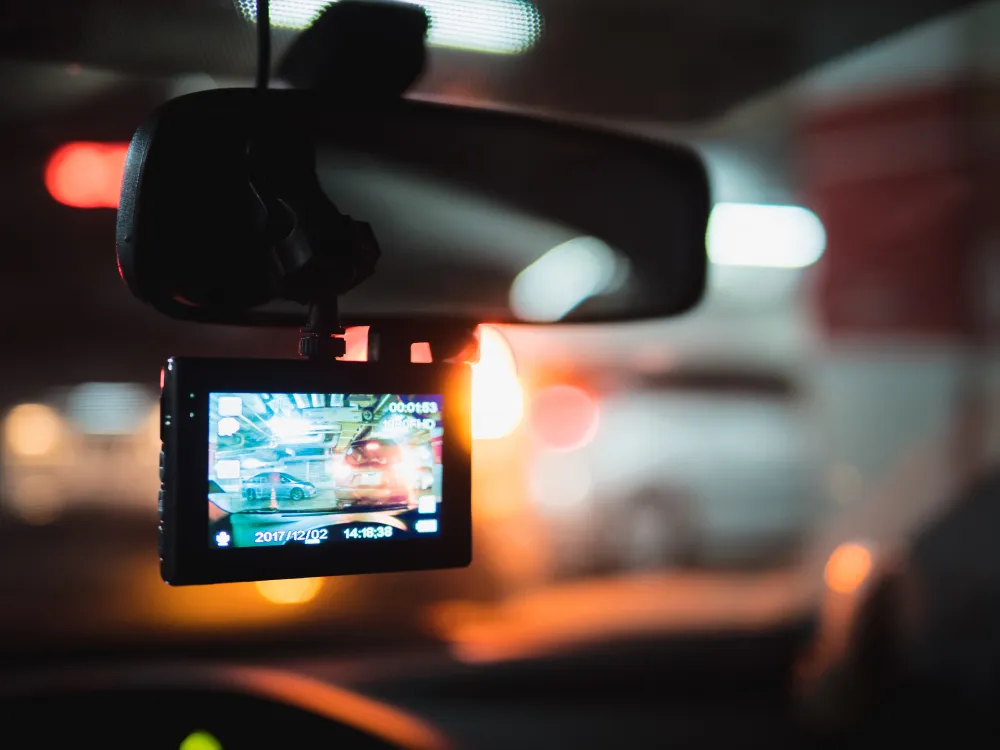
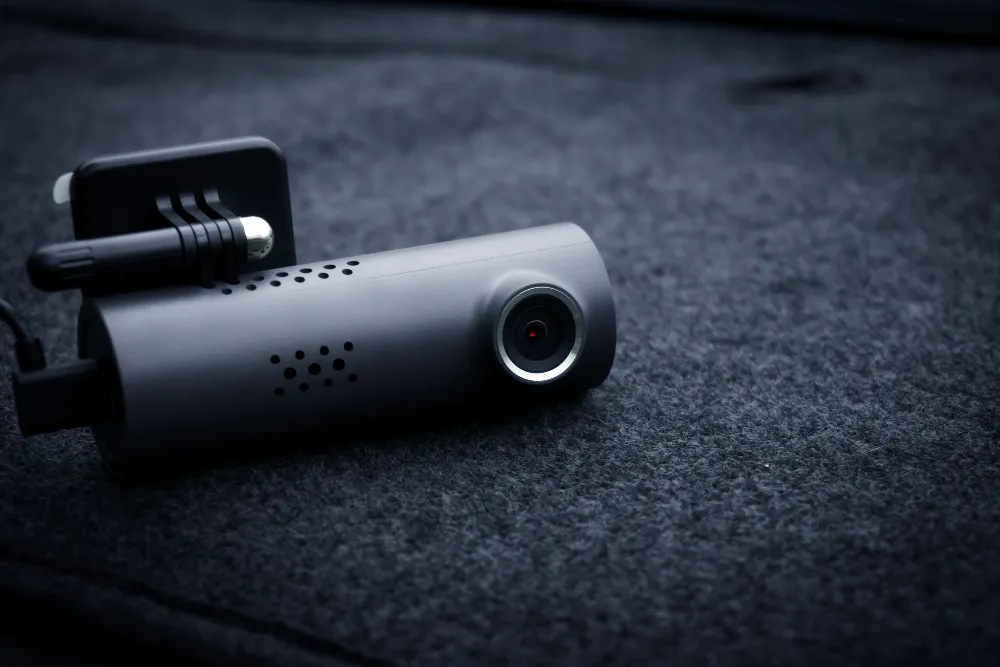
A dual channel dash cam is a system that includes two cameras—one facing forward and one facing the rear of the vehicle. Unlike a standard dash cam that only captures footage from the front, a dual-channel setup records both ends simultaneously, providing full visibility around your car.
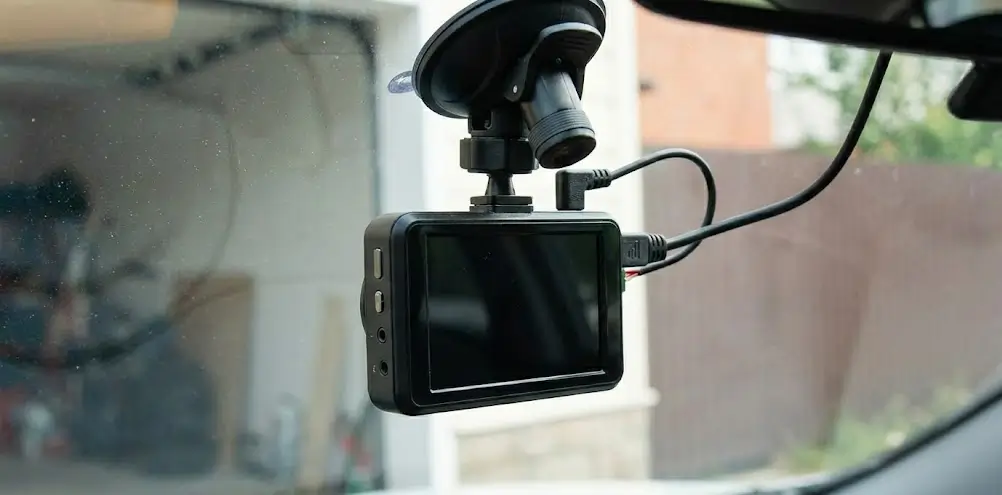
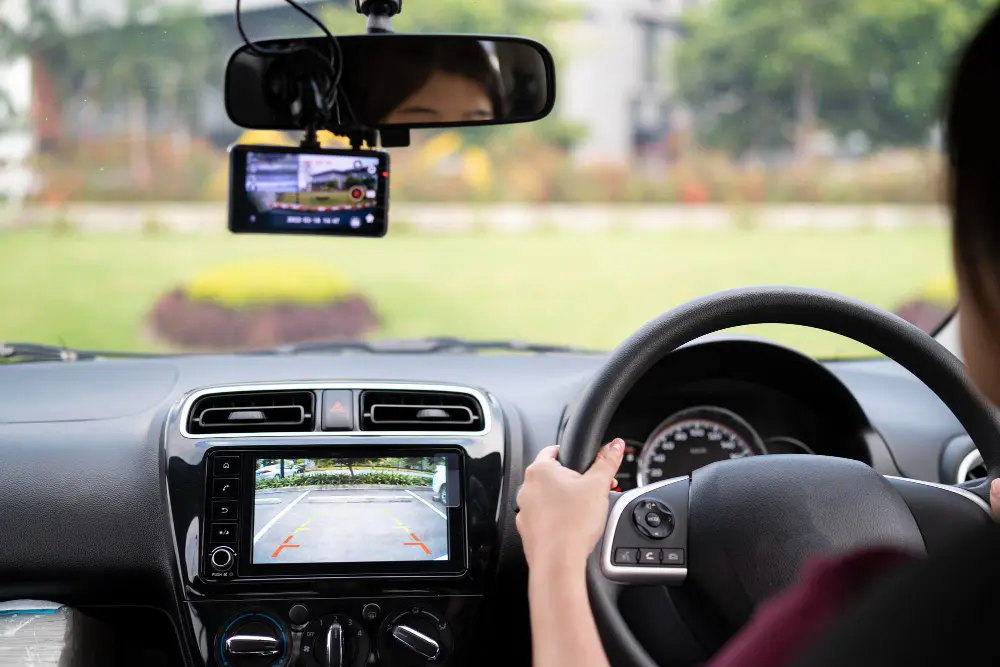
The front camera is usually mounted on the windscreen near the rear-view mirror. The rear camera is either mounted inside the rear window or installed externally near the number plate, depending on the model and car type.
These two cameras work together to provide a comprehensive view of what’s happening around your vehicle.
For a full professional setup and high-quality products, check out professional dual-channel dash cam installation services from Melbourne’s trusted experts.

Both cameras record simultaneously. Most systems use loop recording, which means older footage is overwritten when the storage is full—unless an incident is detected.
When the built-in G-sensor detects sudden motion or impact, it automatically saves the footage in a protected folder. This ensures important moments aren’t lost.
These systems typically draw power from your vehicle’s electrical system. Some offer internal batteries or capacitor-based backup in case of a power loss.
Advanced models may include:
Each of these features adds convenience, safety, and evidence protection. You can explore the essential features to look for in a dashcam to make a more informed decision.
Everyday Drivers
Whether you’re commuting in Sydney traffic or taking long drives along the Great Ocean Road, a dual dash cam provides evidence in case of accidents or road rage incidents.
Rideshare and Taxi Drivers
If you’re driving for Uber, DiDi, or Ola, having both front and rear footage protects you from false passenger claims and captures customer interactions.
Fleet Managers and Business Owners
Running a business with vehicles? Dual channel dash cams help monitor driver behaviour, reduce insurance disputes, and protect your business assets.
Learner and P-Plate Drivers
Parents of young drivers will appreciate the peace of mind that comes from having complete footage of their child’s driving activity.
4WD and Touring Enthusiasts
For off-roaders and touring drivers, a dual dash cam helps capture scenic views, wildlife encounters, and—more practically—any road-related incidents in remote areas.
Rear-end collisions are common, and a front-only camera won’t capture what happened behind. With a dual dash cam, you have both angles covered—useful when making insurance claims or reporting accidents.
Footage from both cameras can speed up claim processing and reduce your liability. Some insurance providers give discounts to individuals who have a dash cam installed.
A visible rear camera can deter criminals. In parking mode, both cameras can record motion around the vehicle, giving you extra protection even when you’re not driving.
Knowing you’re being recorded may encourage you and others to drive more responsibly. It’s also a great tool for coaching young or commercial drivers.
In stressful or high-risk driving conditions, it’s reassuring to know your journeys are recorded and you have a backup if anything goes wrong.
Look for at least 1080p Full HD in both cameras. Some models offer 2K or 4K resolution for sharper images, which can be useful for reading number plates. Learn more in this guide to selecting high-resolution dash cameras.
Wider angles (around 140° to 170°) are better, but avoid extremely wide views that distort images.
Ensure it supports large-capacity microSD cards (64GB or larger) and loop recording. Some models offer cloud storage as a backup.
Connecting the dash cam directly to your fuse box enables parking mode and ensures smooth operation. If you prefer a DIY approach, opt for a model with a simple plug-and-play cigarette lighter adapter.
Stick with reputable brands that offer warranty support and firmware updates. Choose a local supplier with real reviews and Australian customer support.
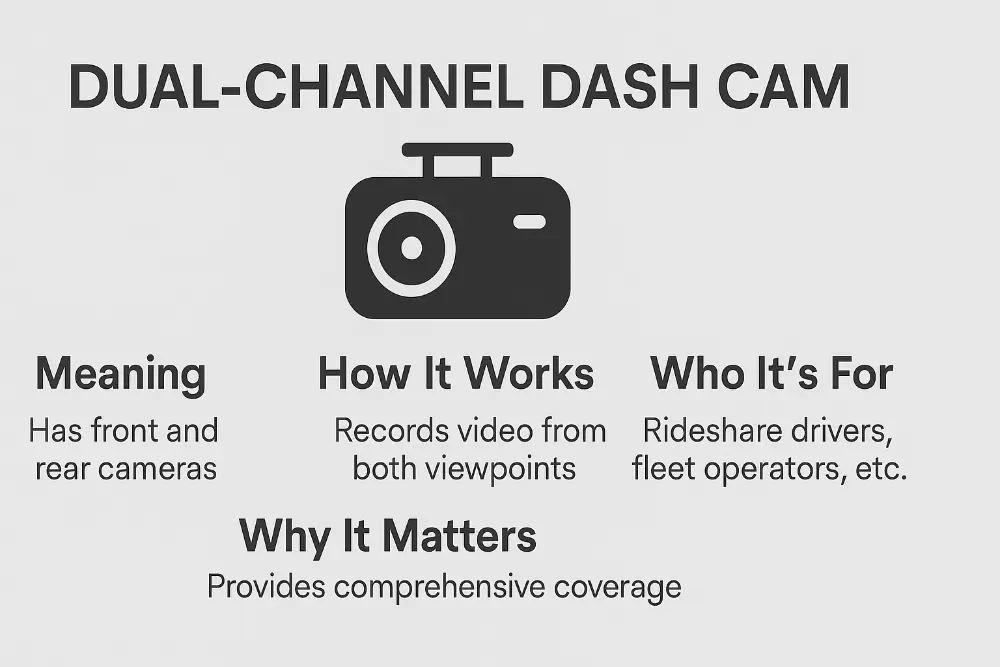
Installing a dual channel dash cam can be straightforward or complex, depending on your car model and the cam’s features. While plug-in models are quick to install, hardwiring provides more functionality.
DIY Installation
Professional Installation
Not sure which is right for you? Explore the benefits of professional dash cam installation to make a smart decision.
| Feature | Why It Matters |
| Night Vision | Better low-light clarity during night driving |
| Wi-Fi or App Control | Transfer footage easily via smartphone apps |
| GPS Tagging | Shows speed and location on the recording |
| Parking Surveillance | Protects your car when unattended |
| Voice Alerts | Real-time system status updates |
These features enhance usability, safety, and footage reliability—especially important for Australian driving conditions, where long-distance and regional travel are common.
Installing a dual channel dash cam is one of the smartest investments Australian drivers can make for their vehicles. From added security to reduced stress during claims, the benefits are hard to ignore.
Whether you’re an everyday commuter, a rideshare driver, or a business fleet owner, understanding the dual channel dash cam meaning could save you money, hassle, and even your license.
Visit DNH Dash Cam Solutions to explore our range of dual channel dash cams and book a professional installation near you.
We provide expert service and trusted products to Aussie drivers who value peace of mind and road safety.