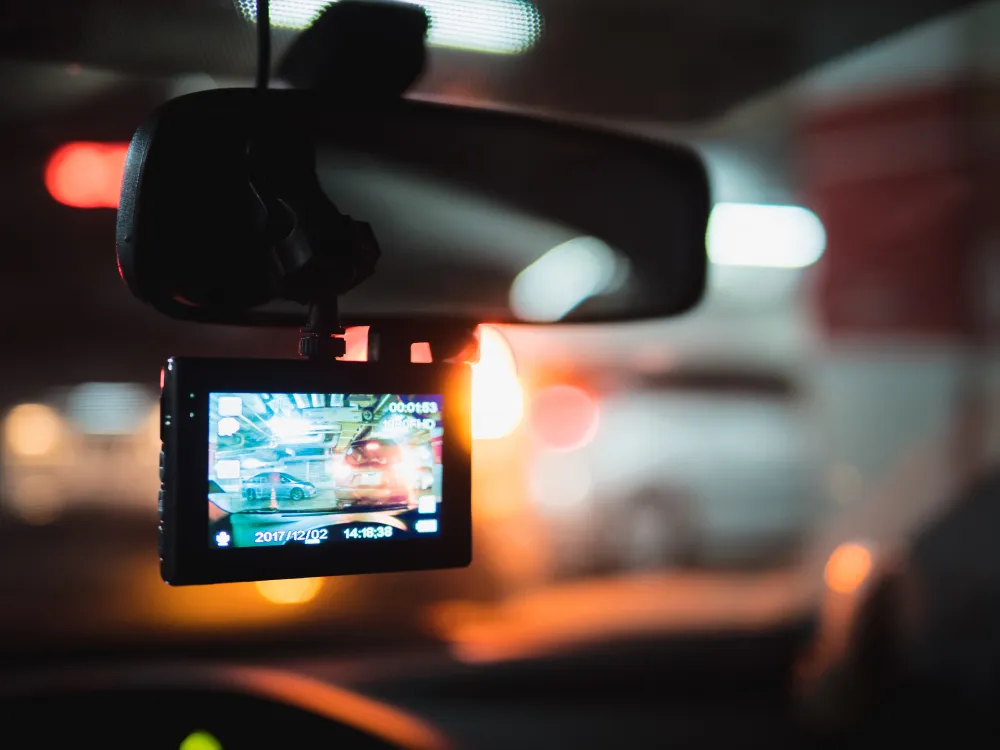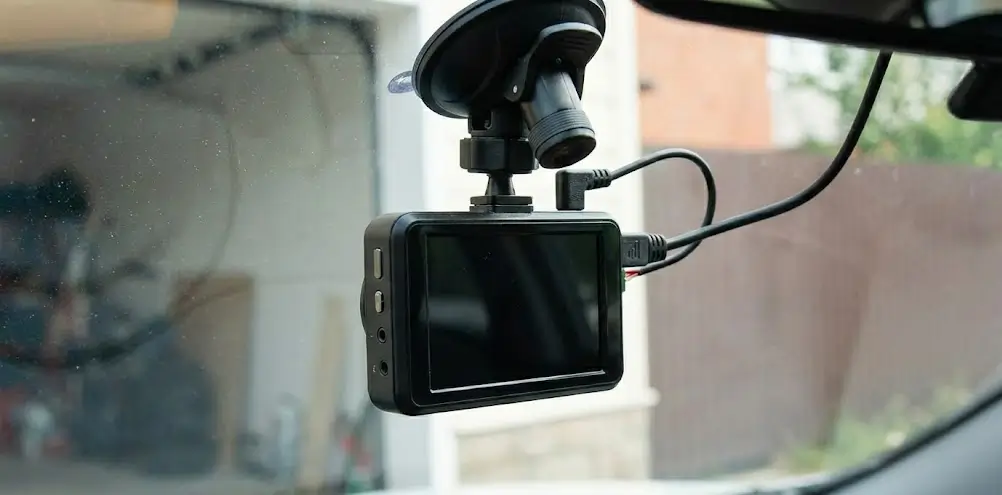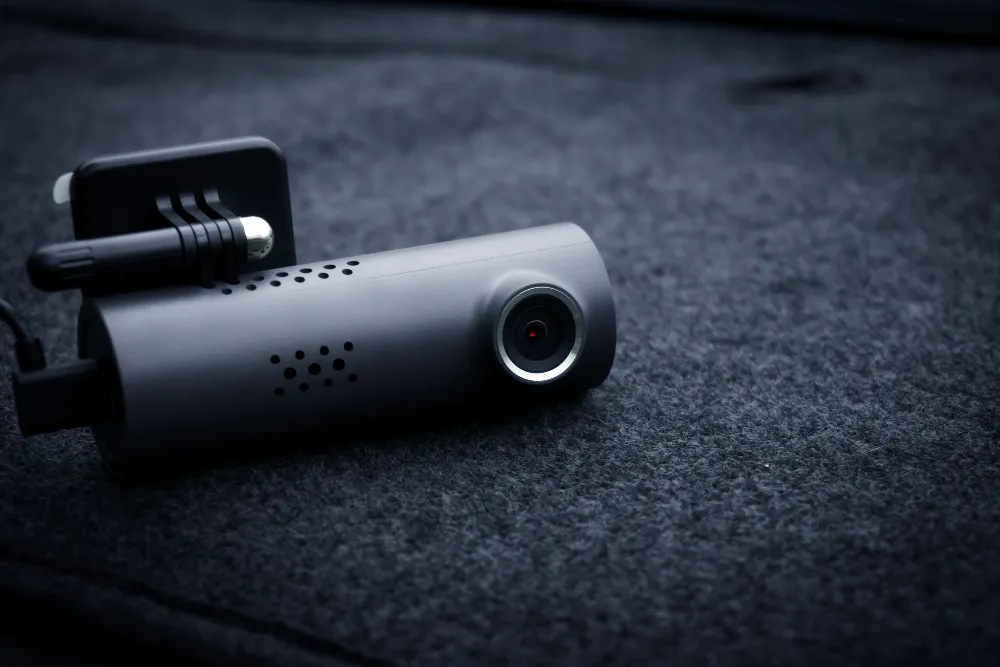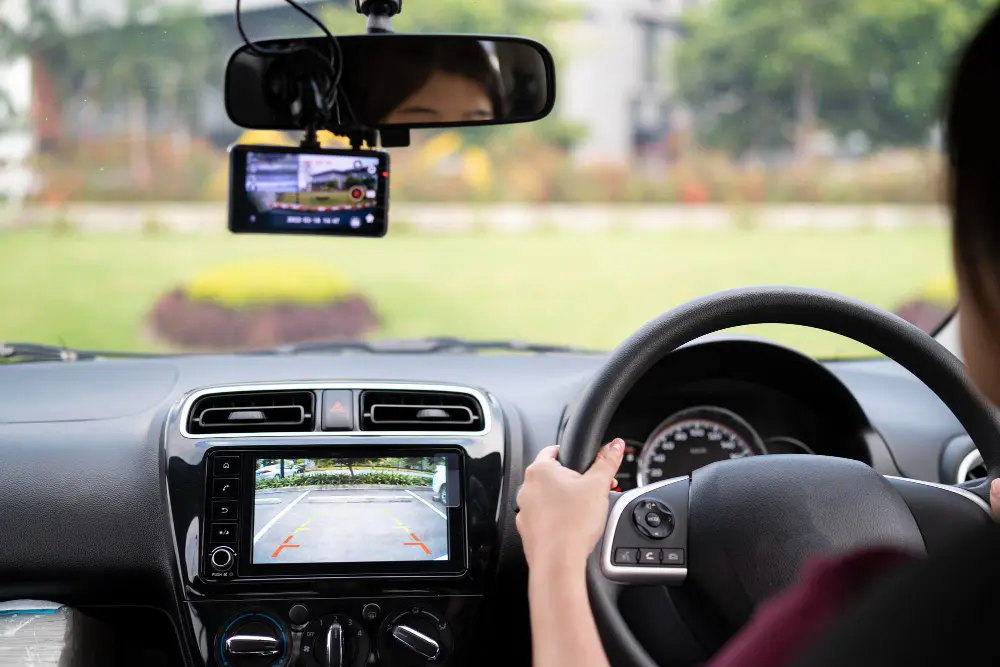
TL;DR: A CPL filter is a practical upgrade for daytime driving because it can reduce dashboard and windscreen glare, improve contrast, and make footage easier to review. It is less helpful at night, can darken footage if not managed properly, and works best when the camera is mounted correctly and the filter is adjusted to suit the windscreen angle.
Key Takeaways:
If your dash cam footage shows dashboard reflections, windshield haze, or bright glare washing out key details, a CPL filter can help, but it is not a fix-all for every setup. Here, you will get a clear look at the real pros and cons, plus when proper installation and camera positioning matter just as much as the filter itself.
A CPL filter is a circular polarising lens filter that attaches to a compatible dash cam lens to cut glare and reflections. The goal is simple, improve clarity when sunlight and reflective surfaces make footage harder to read.
This matters because dash cam footage is only useful when details are visible. If reflections from your dashboard or windshield cover the view, even a high-resolution camera can struggle to capture clean evidence.

A CPL filter reduces reflected light from surfaces like glass, dashboards, roads, and paint, which can improve contrast and colour in bright conditions. It is commonly used to improve clarity and reduce glare, especially in sunny daytime driving.
Think of it like polarised sunglasses for your dash cam. It does not improve the camera sensor, but it helps the lens cut distracting reflections before they affect your footage.
Modern windscreens and light-coloured dashboards can create strong reflections in dash cam footage, especially with tint, dust, and direct sun. Many drivers blame the camera, but the real issue is often optical glare, where reflected light reaches the sensor first.
A lot of dash cam accessories sound useful on paper and end up doing very little in real driving. CPL filters are one of the few accessories that can make a visible difference when your vehicle is prone to glare.
Daytime glare reduction is the main benefit of a CPL filter, especially when sunlight hits the dashboard or windscreen. If you want to reduce glare dash cam reflections, it helps the lens capture a cleaner image before footage is stored.
CPL filters improve contrast, so road markings, signs, and vehicles stand out more in bright conditions. Plate capture still depends on motion, speed, and sensor quality, but reducing reflected haze can make key details easier to read.
Dashboard reflections are a common dash cam problem, and CPL filters help reduce this kind of polarised glare. The improvement is often stronger in cars with lighter dashboards or steep windscreens, where a CPL can feel like a simple fix.
CPL filters can make colours look richer in strong sunlight by cutting stray reflected light. Footage can look less flat and more natural, and better colour separation may help objects stand out against bright or reflective backgrounds.
Here is the part many sales pages rush through. CPL filters are useful, but they also come with trade-offs, and ignoring them leads to disappointment.
A CPL filter cuts reflections, but it also cuts some light entering the lens. In daylight, that is usually fine. In darker conditions, footage can look dimmer, which is why drivers use it during the day and adjust it later.
At night, the camera has less light to work with, so it may darken the image or add grain. If your footage looks too dark, reducing exposure issues may mean removing the CPL filter for night driving in some cars.
A CPL filter is not always a set-and-forget add-on. It often needs to be rotated to suit your windscreen angle and camera position. If it seems ineffective, the problem is usually alignment, not the filter itself when first installed properly.
CPL filters are not universal, even within the same dash cam brand. You need the right filter for your exact model or lens housing. Otherwise, fitment can be poor, performance can drop, and the purchase becomes wasted money very quickly.
The best way to decide is not to ask whether CPL filters are good in general. Ask whether your driving conditions and vehicle actually create the type of glare a CPL is designed to reduce.
A CPL filter is worth trying if you mostly drive in daylight, notice dashboard reflections, or want cleaner contrast in sunny conditions. It is also a smart add-on if you already have a good dash cam and want better footage without replacing it.
You may want to skip a CPL filter, or use it selectively, if you mostly drive at night, have heavy windscreen tint, or already get clean footage with little reflection. In those cases, the light loss may cancel out the glare reduction.
Buying the filter is the easy part. Getting real improvement depends on setup, adjustment, and installation quality.
If you are in Melbourne and want a CPL filter setup that works in real driving conditions, DNH Dashcam Solutions is a solid choice because they do more than sell accessories. They supply and install dash cams, offer mobile service, and focus on clean factory-style installs with hidden wiring and proper integration.
DNH highlights Melbourne mobile coverage within 50km of the CBD, 25+ years of combined automotive experience, and aftercare support including handover demos and workmanship warranty. They also stock brands like VIOFO, BlackVue, and FineVu, so you can get a matched setup and avoid common install mistakes that hurt footage quality.
If you want to reduce glare dash cam footage shows without guessing which filter fits, talk to DNH Dashcam Solutions. Their team can recommend a compatible setup, install it neatly, and make sure your camera is positioned properly for your vehicle.