TL;DR: Rain, glare, and fog make cameras struggle, so clean glass, smart settings, and steady power matter more than you think. A few changes like HDR or WDR, a lower night EV, a CPL, and better mounting can keep plates and edges readable when it pours.
Key Takeaways:
Most drivers trust their dash cams until the first storm shows how rain on the windscreen, headlight glare, and deep night shadows can turn vital evidence into a blur.
This guide explains what rainy‑day footage really looks like, why sensors, exposure, wipers, and compression make it worse, and the easy fixes in setup, settings, and care that restore clarity.
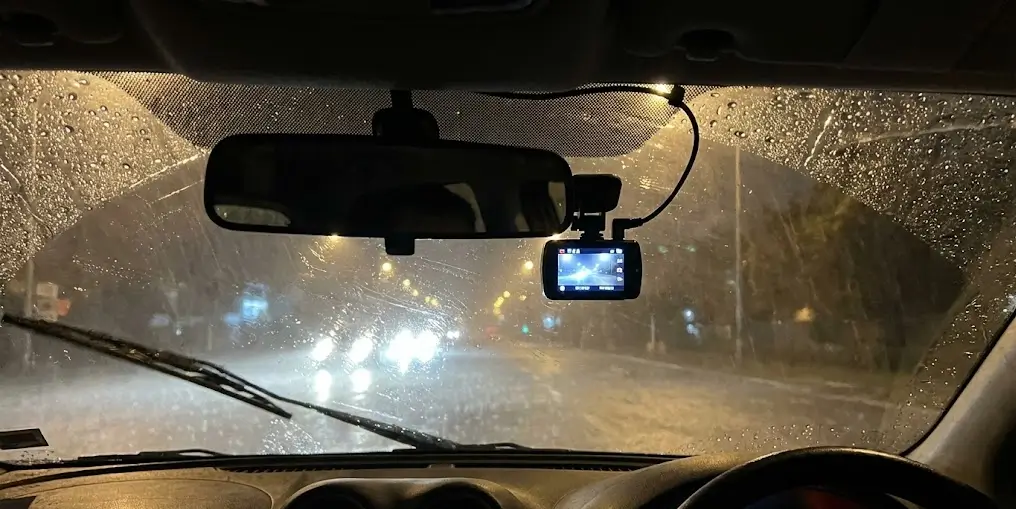
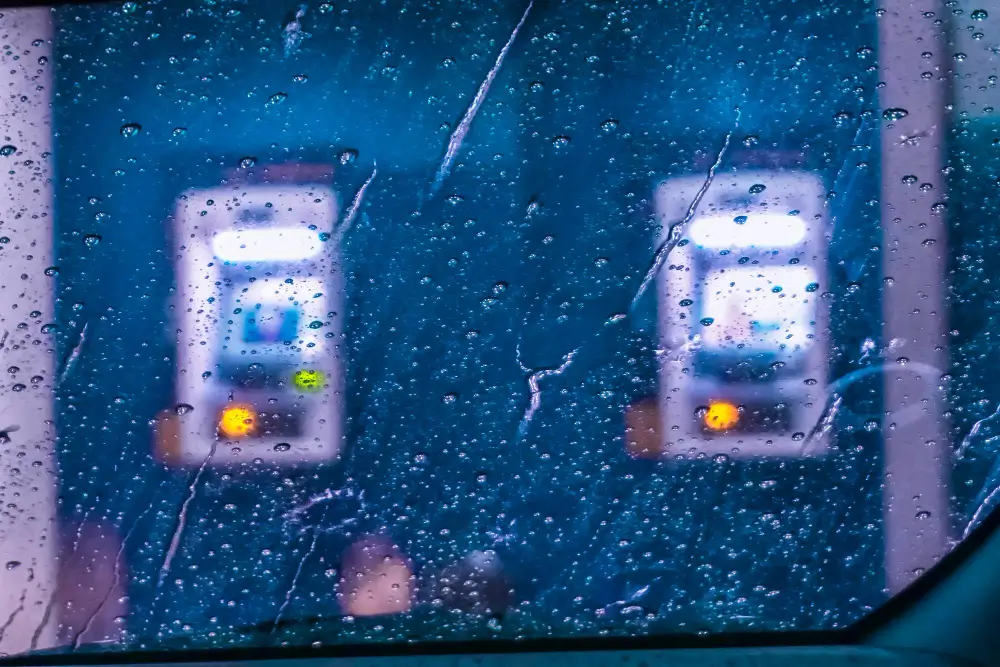
Rain hits your windscreen with three problems at once: water on glass, scattered light, and confused exposure. The result is smearing, headlight ghosting, and plates that flare into unreadable white blobs.
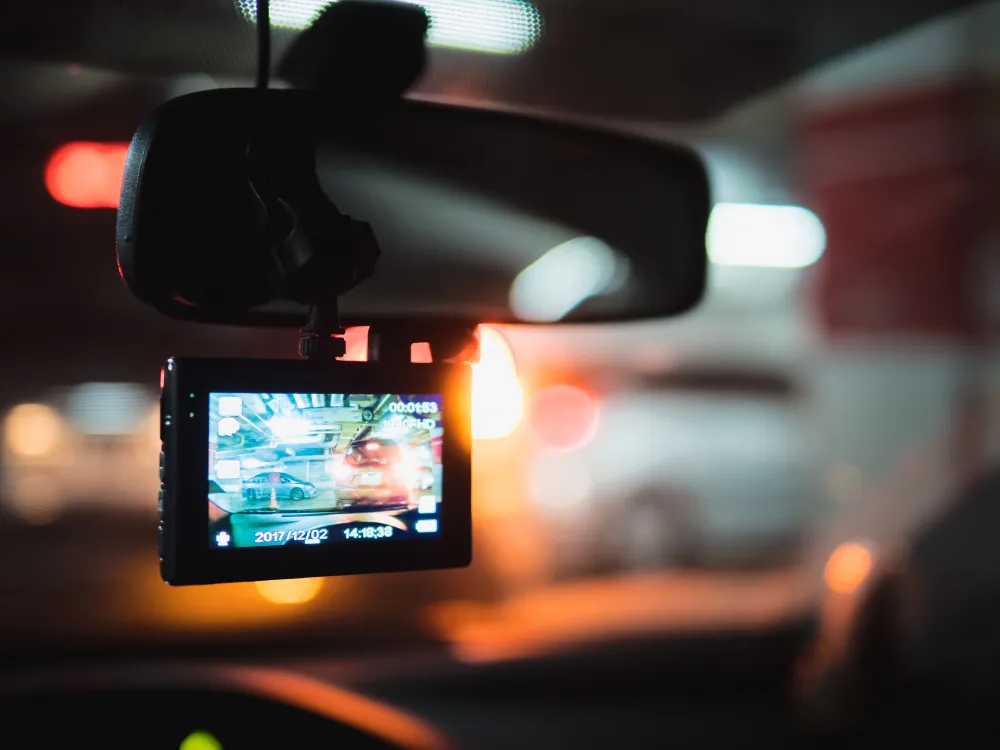
In daylight, contrast drops and distant detail fades while near‑field droplets distract the sensor; at night, headlights and signs bloom and auto exposure hunts from dark to bright. Wiper passes create brief windows of sharpness, and if your shutter is slow or compression is heavy, those clean frames vanish along with key evidence.

In daylight rain, contrast drops and edges soften, though you can still identify vehicles by shape, colour, lane position, and speed with decent settings and optics. At night, small sensors struggle with highlight bloom and deep shadows, so plate readability falls unless exposure and reflections are managed well.
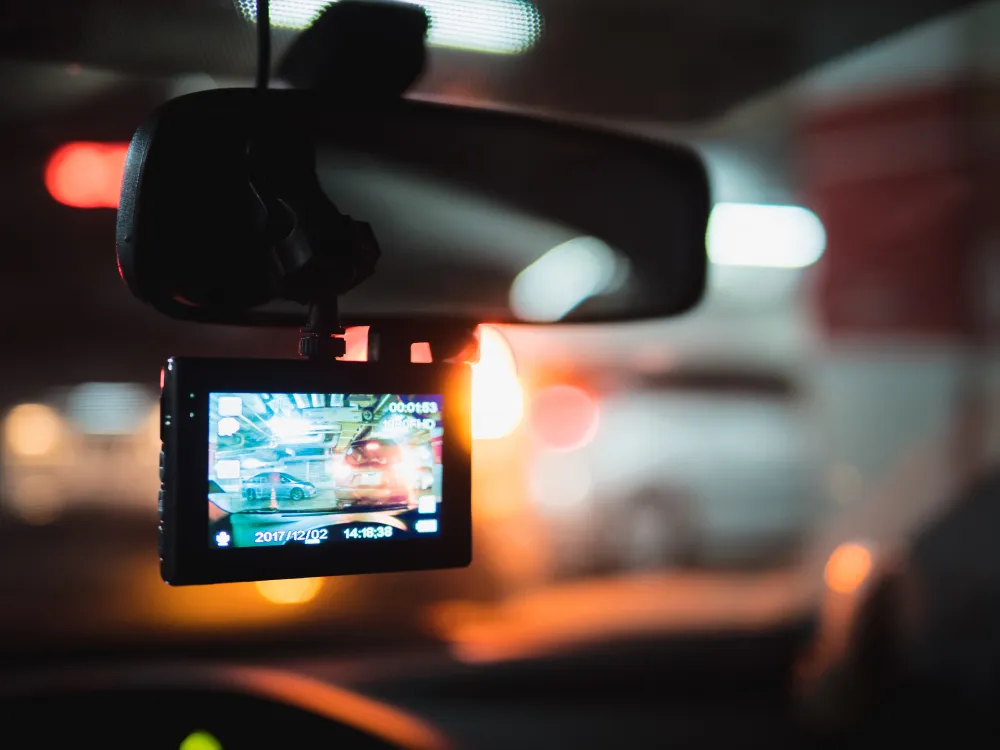
Street lighting can backfire because uneven pools of light make auto exposure hunt between dark and bright. On rural or poorly lit roads in storms, minimal ambient light turns each oncoming headlight into a torch that drowns everything else.
Larger pixel sensors hold dynamic range better on wet nights, so highlights bloom less and shadow detail survives. In real rain a well tuned 1080p sensor can beat a tiny‑pixel 4K unit because it gathers more light and needs less amplification.
A fast glass lens around f/1.6 to f/1.8 lets the camera run lower ISO and a quicker shutter for sharper frames between wiper sweeps. Avoid plastic optics that fog or haze when warm cabin air meets cold rain, and clean the front element before you drive.
A CPL filter reduces dashboard reflections and windscreen glare so your night frames look clearer and colours stay true. Rotate it slowly from the driver seat until reflections fade, and stop before the scene gets too dark.
Update the CPL angle as seasons and daylight change, or remove it if nights seem too dim on unlit roads. Low winter sun, wet roads, and bright signage often need a slightly different rotation than summer daytime runs.
Stable power stops random reboots and file errors during bumps and lightning flashes in a storm. A quality hardwire kit with proper fuse taps and a clean ground keeps voltage steady and supports parking mode reliably.
Use high‑end microSD cards that sustain fast writes so sudden rain noise and complex scenes do not choke the encoder. Cheap cards drop frames, corrupt clips, or lock the camera just when you need the recording most.
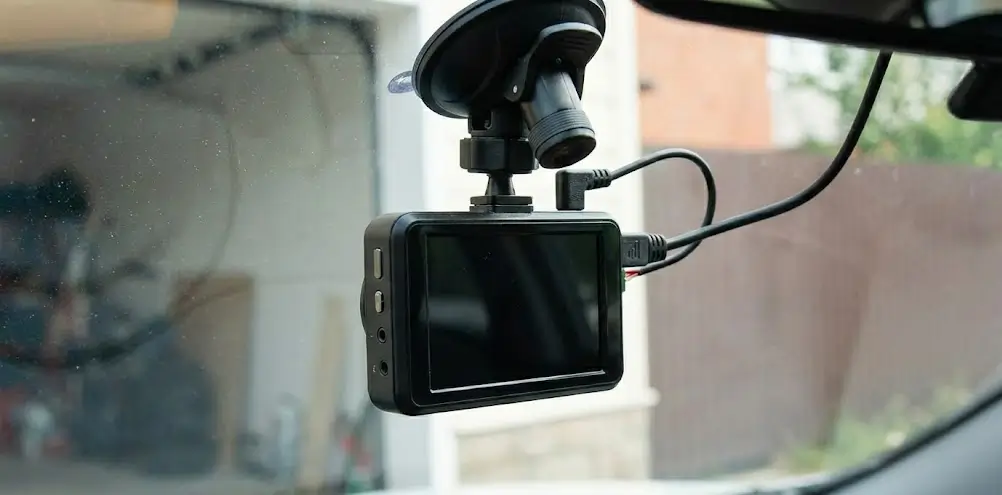
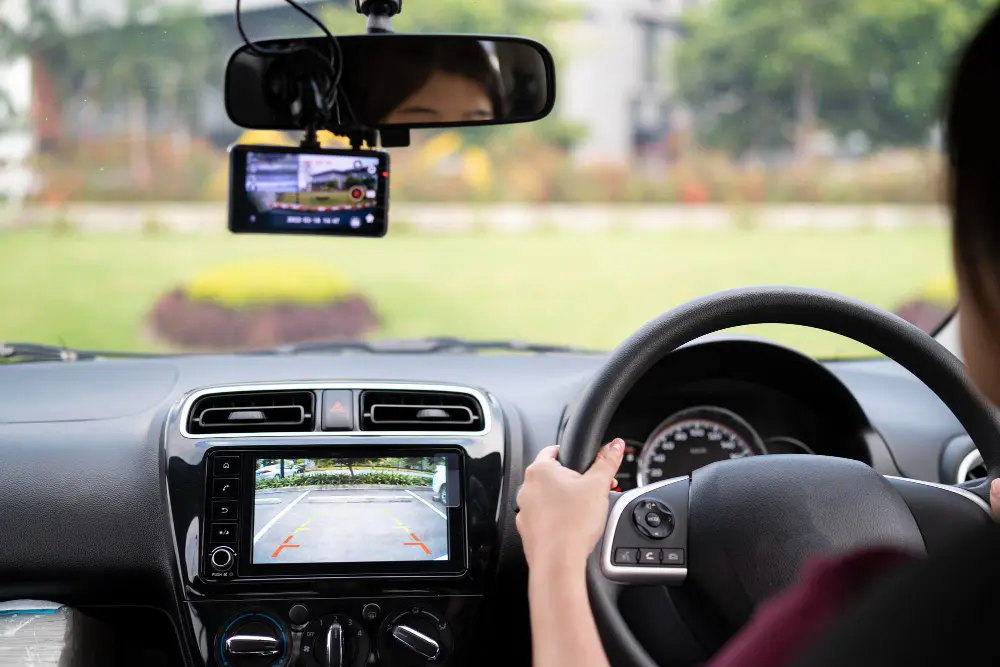
Mount just below the mirror, centred and low enough to avoid mirror stalk obstructions. Small angle changes can remove a reflection that ruins night rain footage.
Avoid pointing the camera too high into the sky. More sky means more flare around oncoming lights and fewer usable ground details.
Professional cable routing and grounding reduce electrical noise that looks like flicker or macro‑blocking. Clean power helps the encoder spend bits on edges, not static.
A hardwire kit with low‑voltage cut‑off protects your battery while enabling reliable parking mode. Storm nights often mean long recordings as motion events spike.
Rear‑end impacts are common in storms. A rear camera sees less oncoming glare and often captures clearer plates at the moment of impact.
Cabin views help for rideshare and fleet work. Context from inside the vehicle can clarify indicator use, horn, and driver actions.
DNH Dash Cam Solutions delivers factory‑finish hardwired installs with tidy, airbag‑safe cable routing. Choose one, two, or three‑channel setups for daily drivers, families, tradies, rideshare, or fleets, plus optional external batteries for longer parking mode in storms.
Their Melbourne‑based mobile service saves workshop time, and installers tune exposure, HDR, and CPL to your windscreen and tint for clearer wet‑weather footage. They can install your current dash cam or supply and fit a proven model; book at dnhdashcamsolutions.com/book-now/ or call 0403 760 498.
Rain will not wait for you to tweak settings after a near‑miss. Get a wet‑weather‑ready, professionally hardwired install so your next storm drive is protected.
Book now to schedule a mobile installation!