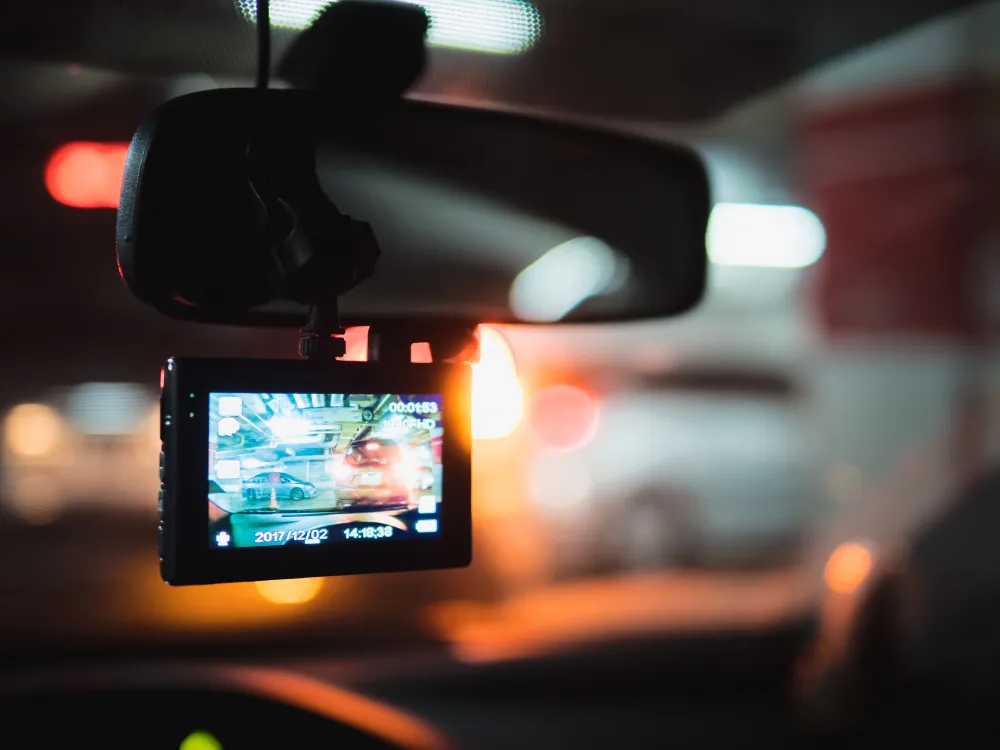
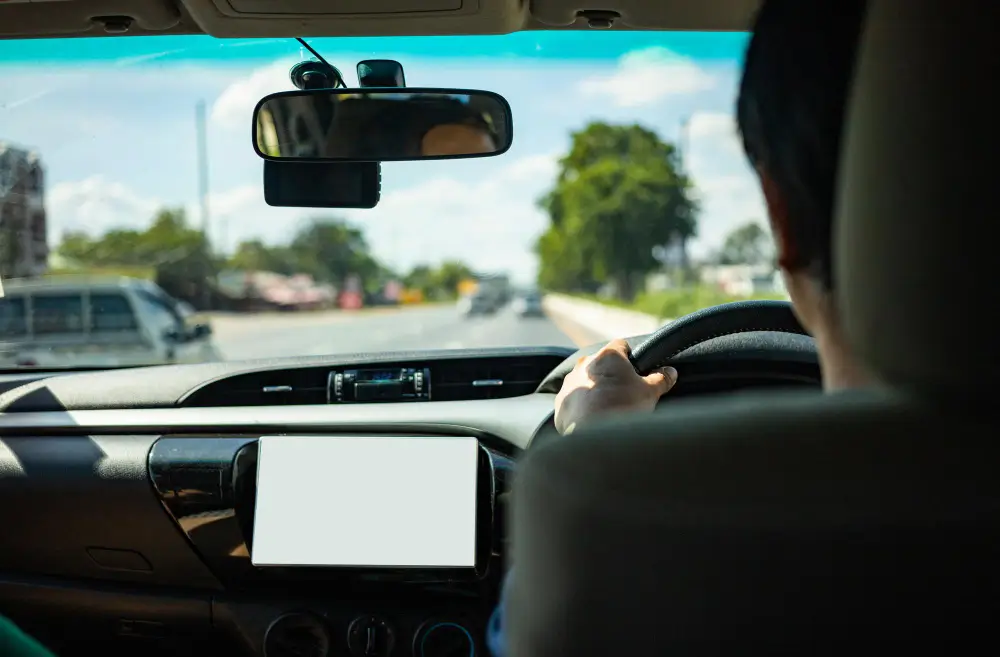
TL;DR: Some dash cams miss the crucial seconds because they start recording late, lose power briefly, overheat, or write to slow cards. Choose proven gear, get a proper hardwire install, use a high endurance microSD, and test clips regularly so the camera catches the lead up and impact.
Key Takeaways:
Stopped at a red light in Melbourne, a distracted driver rear-ends you before you can react. Later, still shaken, you open the dash cam clip expecting clear proof for your insurer.
Instead, the video shows you stopped, then jumps to you rolling forward, with the impact missing. You bought the dash cam to protect yourself, but those missing seconds create doubt and often come from how some cameras start, save, or sense movement and power.
Stopped at a red light in Melbourne, a distracted driver rear-ends you before you can react. Later, still shaken, you open the dash cam clip expecting clear proof for your insurer.
Instead, the video shows you stopped, then jumps to you rolling forward, with the impact missing. You bought the dash cam to protect yourself, but those missing seconds create doubt and often come from how some cameras start, save, or sense movement and power.
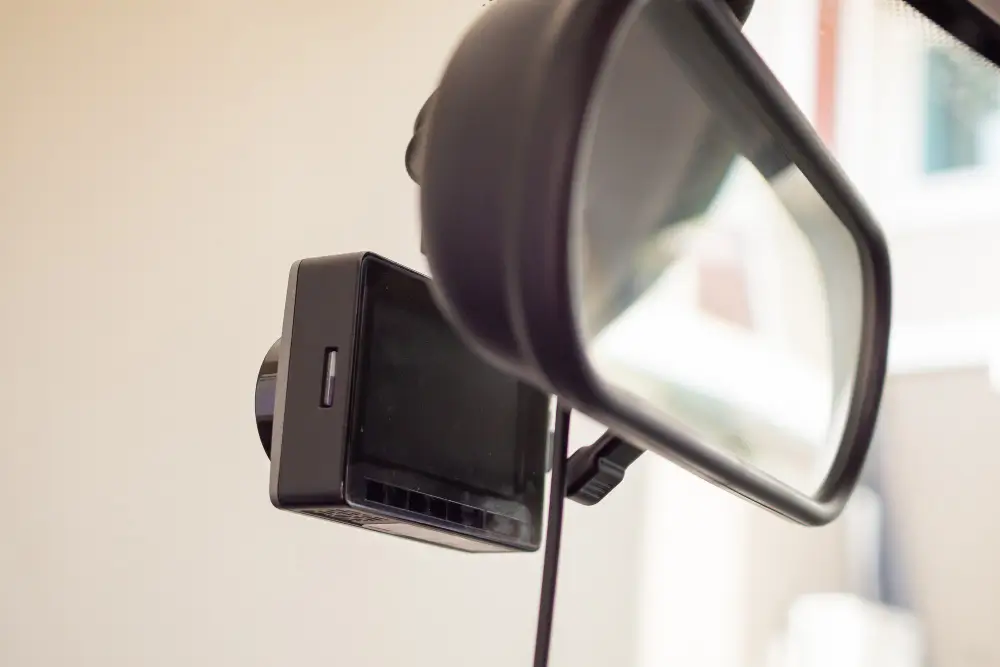
Dash cam delay issues rarely come from just one cause. They are usually a mix of hardware limits, cheap components, poor settings, and rushed installations.
Understanding the main triggers helps you spot risk early and choose a setup that records closer to real time. It also helps you avoid blaming yourself when the problem sits with the camera or the way it was installed.
Some dash cams take a few seconds to truly wake up after the ignition, even if the screen lights up straight away. The sensor and the card can lag before recording begins, so the first moments of your trip may never be saved.
That delay creates a built in blind spot that can swallow short trips and sudden incidents right after you pull away. Cheaper or older models are more prone to this because their processors and software struggle to start recording fast.
Dash cams struggle when the microSD card is slow or failing. Standard cards can lag or corrupt, causing buffering, dropped frames, and missing crucial seconds.
When storage is nearly full, some cameras pause to overwrite old clips, clipping the start or end of an incident. Use a high endurance microSD card made for dash cams to keep recordings smooth and reliable.
Your dash cam needs steady power from the car or a dedicated battery to keep recording. Even a brief drop can stop the camera or corrupt the last few seconds, leaving the key moment missing.
Loose wiring or a dodgy cigarette lighter plug can cause power dips, and some cars cut socket power when you switch off, killing parking mode and leaving gaps. If you are worried about your car’s electronics, read Can a dash cam mess with your car’s electronics? A pro installer sets the record straight then watch for these warning signs:
Parking mode protects your car while you are away, but poor setup can delay recording when it matters. Many cameras only wake after they sense movement or a hit, so the first seconds can be lost.
Set sensitivity too low and the cam wakes late; too high and it floods the card or lags while overwriting clips. A good installer can tune motion and G sensor settings so it wakes early without wasting storage.
Australian heat is tough on in-car electronics, especially when a parked car turns into an oven in summer. If your dash cam cannot handle high temperatures, it may slow down or switch off to protect itself, and that means missed moments.
Heat issues often show up as stuttering video, frozen frames, or half saved clips you only notice when you try to play them. Skip random online listings and talk to a local specialist who knows which models actually survive Aussie summers.
Most people buy dash cams to protect themselves against unfair blame, dishonest drivers, or unclear road events. When delay issues appear, the footage can raise more questions than it answers.
Insurers and police want more than the hit itself; they need the lead-up to understand what really happened. They look for details like:
If your dash cam only records the last split second, those proof points can be missing. That gap can weaken your position even though you invested in a camera to back you up.
Short gaps in footage can look suspicious, even if they are just technical glitches. An assessor who does not understand dash cam delay issues might wonder if clips were edited or deleted.
You know the camera just skipped, but they only see missing information.That doubt can slow your claim or affect how liability is shared.
Hit and run incidents often happen in car parks, on quiet streets, or overnight outside your home. If your dash cam is not wired for proper parking mode, it can sleep through the whole event.
An external battery made for dash cams keeps recording active without draining your car battery. Without that support, the camera can shut down soon after you lock the car and leave you with no proof.
If you are in Melbourne and want every second captured, who installs your dash cam matters as much as the camera itself. DNH Dashcam Solutions supplies and installs quality systems for local drivers, with a team that loves cars and puts safety first so your witness is ready when it counts.
Choose one, two, or three channel setups and add an external battery so parking mode keeps recording without gaps. Every install is hardwired and tidy to avoid airbag interference, and the mobile team serves suburbs across Melbourne and shows you the app, storage, and parking mode so you can avoid delay issues.
Your dash cam should give you confidence on every drive, not skip the exact seconds you need. With the right setup and support, it can capture what actually happened and back you up when it counts.