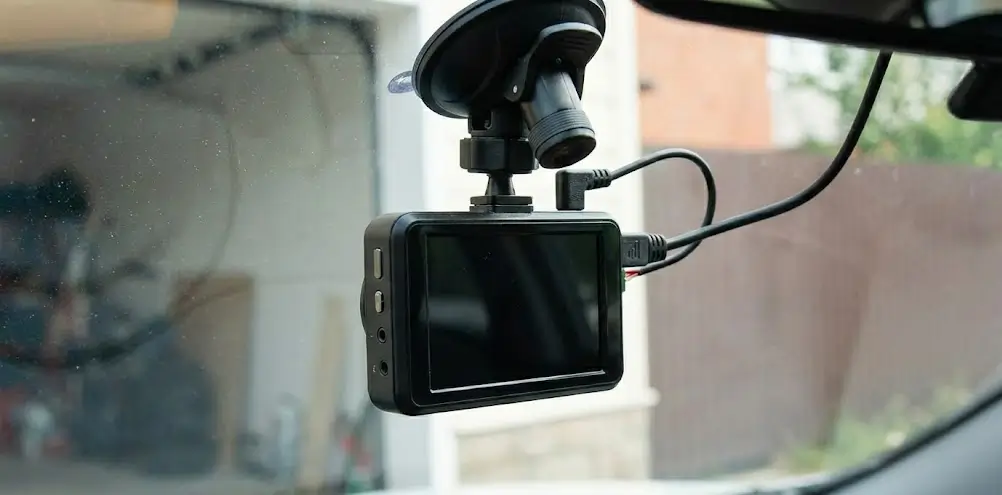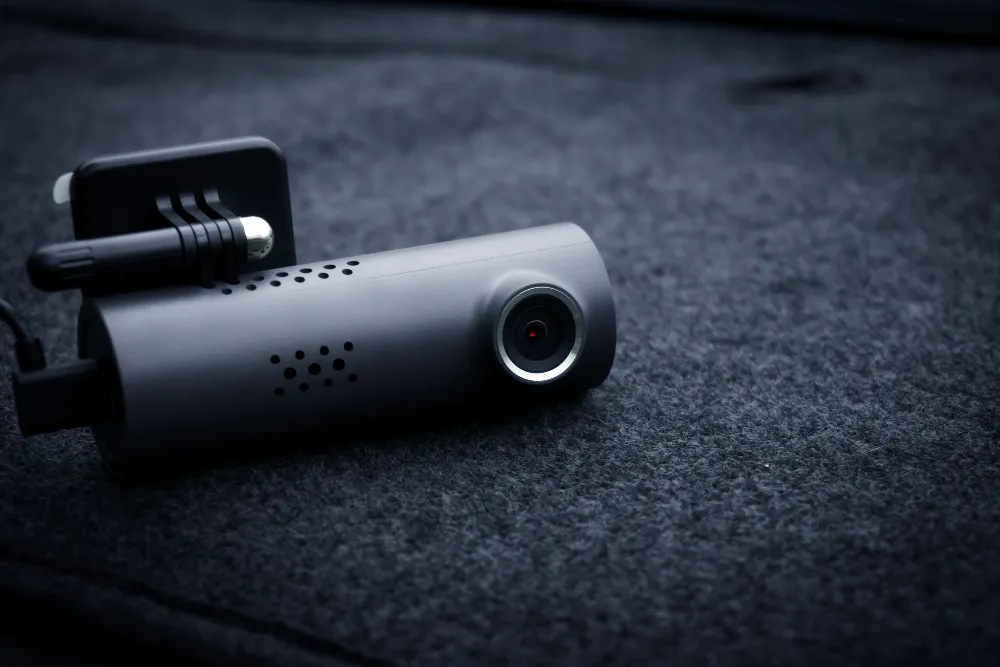
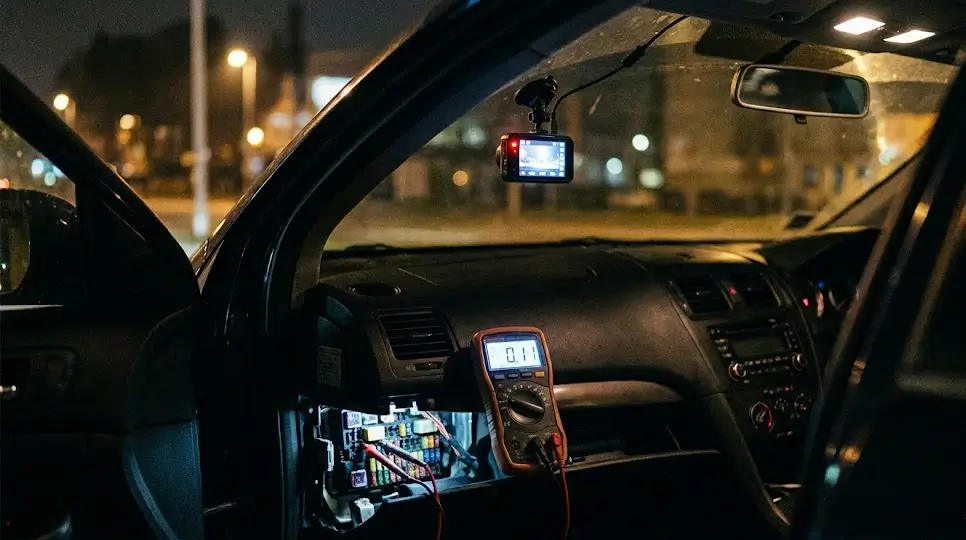
TL;DR: Hidden battery drain usually comes from parking mode settings, poor wiring choices, or a hardwire kit that doesn’t cut power soon enough. The fix is simple once you stop guessing: measure the draw, tune the settings to your parking habits, and use proper power management so your starter battery isn’t doing all the heavy lifting.
Key Takeaways:
Ever walked out on a Monday morning, hit the start button, and got nothing but a slow crank or a dead dash? If you run parking mode, there’s a decent chance your dash cam is sipping more power than you think.
This isn’t about “dash cams are bad” because they are one of the smartest upgrades you can make for safety and evidence. It’s about hidden power drains, the quiet kind that only show up when your car has sat long enough.
Not all battery drain is created equal. In our experience, the “bad drain” usually comes from setup choices, power hardware, and install quality rather than the camera model alone.
High sensitivity motion detection sounds brilliant until it fires nonstop in busy areas. If it wakes every few minutes, it never really goes to sleep and your battery wears it.
Time-lapse and low bitrate modes can also chew power because the camera stays running for long stretches. Add cloud features, constant Wi‑Fi, or extra modules and the draw climbs again, so treat them as optional extras and plan the power properly.
A cheap adaptor can be the difference between a clean, stable setup and weird electrical gremlins. Poor regulation or weak protection can cause reboots, add noise, and waste power.
Some hardwire kits claim they protect your battery but cut off too late, or not at all, so the camera keeps drawing power until the battery is in trouble. If the kit itself has a high standby draw, you can be losing power even when the camera looks “off,” which is why the drain feels so hard to spot.
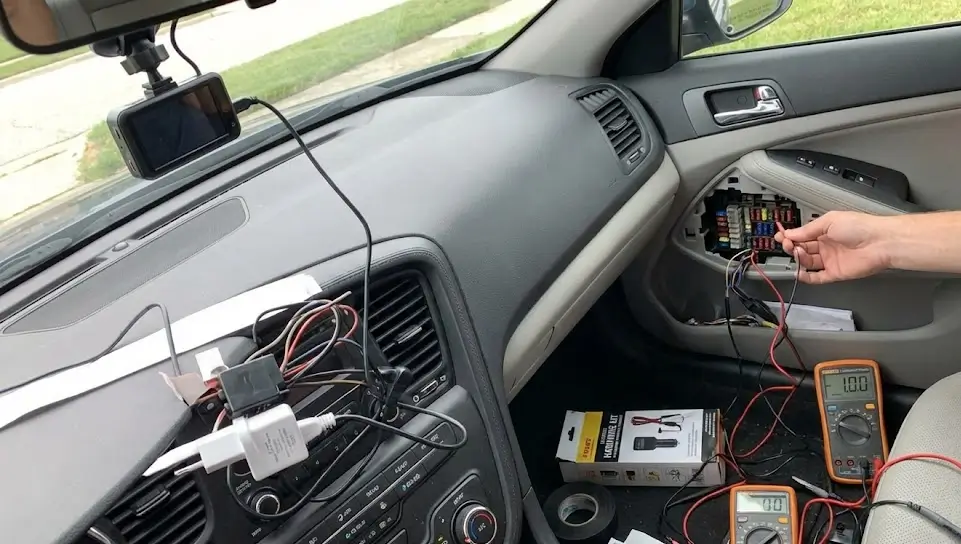
A dash cam needs two clean signals so it knows when the car is on and when it’s off: constant power, plus an accessory trigger. If you tap the wrong fuses, the camera can think the car is always on and keep running overnight.
That’s why DIY hardwires can bite even when you’re careful. Modern cars have sensitive electronics, and one wrong circuit can cause battery drain and other weird issues that seem unrelated.
A bad earth connection can create unstable power delivery. Unstable power can cause the dash cam to reboot repeatedly, which often increases total power use.
Cable routing matters more than people think. Running power alongside sensitive looms can introduce noise and weird behaviour, and the owner only notices when the battery starts acting up.
Heat can push a camera to draw more power or run less efficiently, especially when parked in the sun. It can also cause random restarts, and restarts are not free from a battery perspective.
If you’re picking gear for Australian summers, this quick read on why battery dash cams fail in Aussie heat and why capacitor models keep recording is worth it.
Firmware and settings matter because parking mode logic lives in software. If your camera is not configured properly, it may never enter a true low-power state.
There are three levers you can pull: reduce the camera’s draw, control when it shuts off, or stop the car battery from being the power source. A good setup often uses more than one lever.
A proper hardwire kit should cut power before the battery drops too low to reliably start the car. It should also have low standby draw so the kit is not part of the problem.
Cut-off settings matter, and higher is not always better. If you set the cut-off too high, parking mode stops too early and you lose protection, so the goal is balance, not perfection.
If you park on a quiet street and want full coverage, time-lapse might make sense with the right power plan. If you park in a busy carpark, motion detection can wake the camera all night and hammer the battery.
If your camera has a timer or scheduled parking mode, use it. If you only need coverage for the first 6 to 12 hours, don’t ask the battery to fund 48 hours.
A future-proof dash cam is not a single feature like 4K or a fancy app. It is a combination of reliable power management, clean install, and a camera that stays stable through heat, vibration, and daily use.
That means choosing a system with proven parking mode options and solid firmware support. It also means planning power properly so the camera can do its job without turning your battery into collateral damage.
If you want long parking mode coverage without gambling on your starter battery, an external dash cam battery is often the cleanest fix. It charges while you drive, then powers the camera when you park.
It’s ideal for short trips, higher standby-load vehicles, or cars that sit for days, and winter makes this even more noticeable. It still needs a proper install, but it takes the load off your starter battery.
A neat install is not just about aesthetics. Hidden wiring, correct fuse selection, stable grounding, and safe routing are what stop weird behaviour and reduce risk.
If your dash cam is pulling too much standby current because the install was rushed, swapping the camera will not fix the root cause. The fix is correcting power, routing, and configuration.
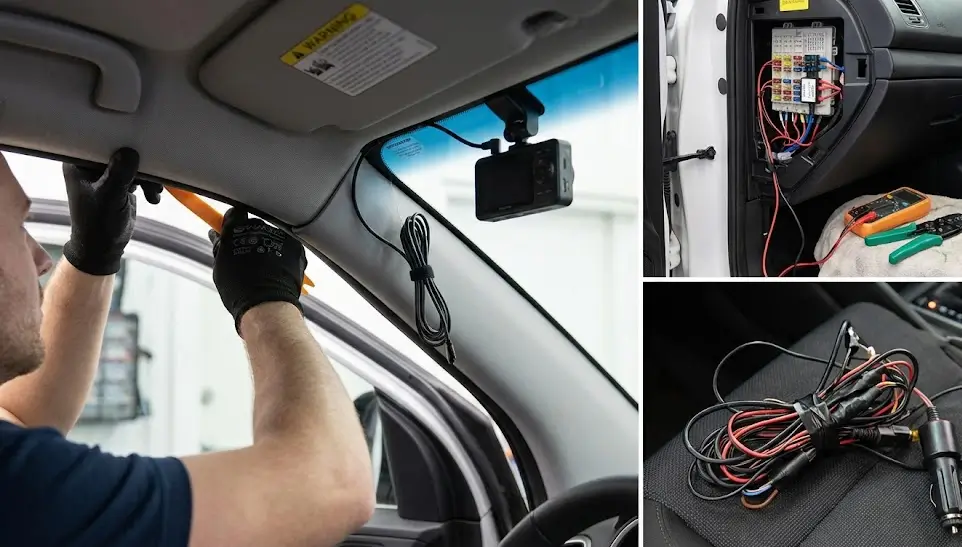
DNH Dashcam Solutions is a Melbourne-based mobile dash cam installer, which means we come to you and save you the workshop wait. We fit dash cams and reverse cameras with a factory-finish approach, so the wiring is hidden, the routing is clean, and the fuse box work is done properly.
With over 25 years of combined automotive experience, we match leading dash cam brands and settings to how you actually drive, and we can install and set up your own camera too. If you want parking mode that lasts, we add proper power management or battery packs, and we back it with workmanship support so you know it’s recording the right way.
If you want a future-proof dash cam setup that records properly, parks safely, and looks factory-fitted, book with DNH Dashcam Solutions. We’ll recommend the right camera and power plan for your vehicle, install it cleanly at your location, and make sure you leave knowing exactly how it works.