TL;DR: A future-proof dash cam setup is less about chasing the newest “4K” label and more about building a system that keeps recording when life gets messy. Get the power right, use storage that won’t fail quietly, choose gear that can handle heat and night glare, and treat the install and settings like something you maintain, not something you forget.
Key Takeaways:
Most people buy a dash cam for today, then wonder why it gets flaky after heat, phone updates, and tired wiring. Five years from now, the winner isn’t the highest spec, it’s the setup that stays powered, saves clips properly, and is easy to live with.
If you want a future-proof dash cam, think system, not gadget: coverage, power, storage, and easy access to footage. Below are the choices that keep it reliable for the next five years and avoid the shortcuts that wreck good cameras.
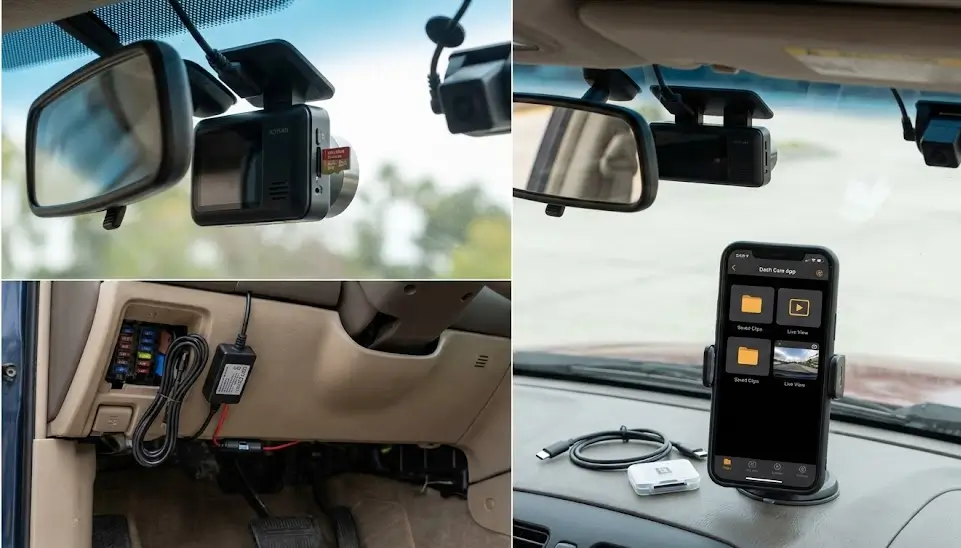
A dash cam system has four parts: camera coverage, power, storage, and access to footage. If one part is weak, the whole setup feels unreliable, even if the camera itself is great.
A future-proof dash cam build starts with how you actually use your car, because a daily commuter, rideshare driver, tradie ute, and family SUV all have different risks. A system that matches your use is the one you keep.
Front-only is better than nothing, but it misses plenty of the incidents people argue about most, so a rear camera often pays for itself by showing what the front lens never can. If you do rideshare or want cabin context, a third channel can shut down “he said, she said”, as long as it’s mounted neatly and aimed right.
Wide coverage is great until the edges warp and number plates turn into spaghetti, so aim for a view that stays clear at night and in the wet. If it only looks sharp in a sunny car park, test it on a real rainy night drive before you trust it.
Parking mode turns a dash cam into a proper security tool, but it is also where most setups fall over, because one wrong power choice gets you a flat battery or a camera that shuts off right when you need it.
To future-proof parking mode, keep it simple: stable power, clean wiring, and settings that match how long you actually park, not a 24/7 drain.
A cigarette plug setup can work short-term, but it is not built for years of parking recording.
Hardwiring gives you:
It only works if it’s done properly, so the essentials are:
If you want longer parking coverage without leaning on your starter battery, an external battery pack is the cleanest long-term option, because it charges while you drive and runs the dash cam when you park.
It is also one of the most future-proof upgrades because you can keep the battery pack even if you change cameras later, so you are upgrading your power foundation, not locking yourself into one model.
Dash cams record nonstop, so memory cards wear out, and “it was recording” is not the same as “it saved the clip.” If you only check footage after an incident, you’re gambling with your evidence, so use the right storage and do quick checks now and then.
Software is the sneaky reason dash cams feel “broken” a few years in, because phones and apps change even when the camera hasn’t. Over the next five years, make sure your setup has solid app and firmware support, or you’ll only discover it failed when you go looking for footage.
If you want to see how this bites in real life, read: Your dash cam missed the crash? Dash cam delay issues are costing Melbourne drivers evidence.
Pick a brand that keeps firmware and the app usable over time, and make sure parts and warranty support are easy to get locally so you’re not stuck waiting weeks when something breaks.
Quick checks:
Your driving and parking change, so give your dash cam a two-minute check after big phone or firmware updates to make sure parking sensitivity, motion triggers, and recording quality still match what you need.
Keep an eye on:
A clean install is not about looking pretty, it is about reducing failure points. Hidden wiring prevents snagging, disconnections, and tampering, and it keeps cables away from pedals, airbags, and distractions.
If you want to future-proof dash cam performance, installation quality is the single best lever you can pull. A great camera with a sloppy install will let you down.
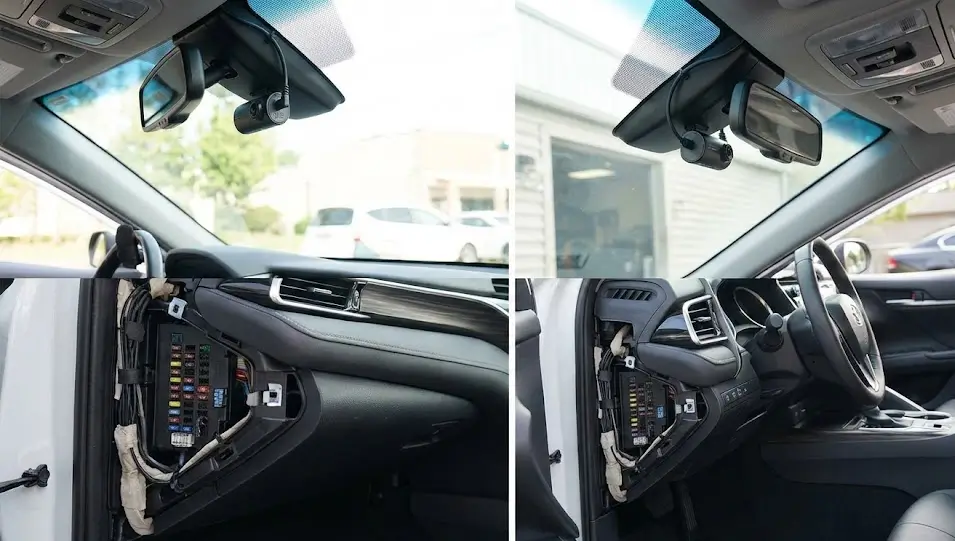
Factory-style routing is not just neat, it stops cables getting pinched, loosening, or rattling over time, and it makes future tweaks easy because you can access things without tearing the interior apart. That’s what a “factory finish” really buys you: reliability you do not have to think about.
If you think you might add a rear camera, cabin camera, or external battery later, plan the wiring and mounting points now so stage one does not block stage two. Done right, upgrades feel like bolt-ons, not paying twice to redo the same work.
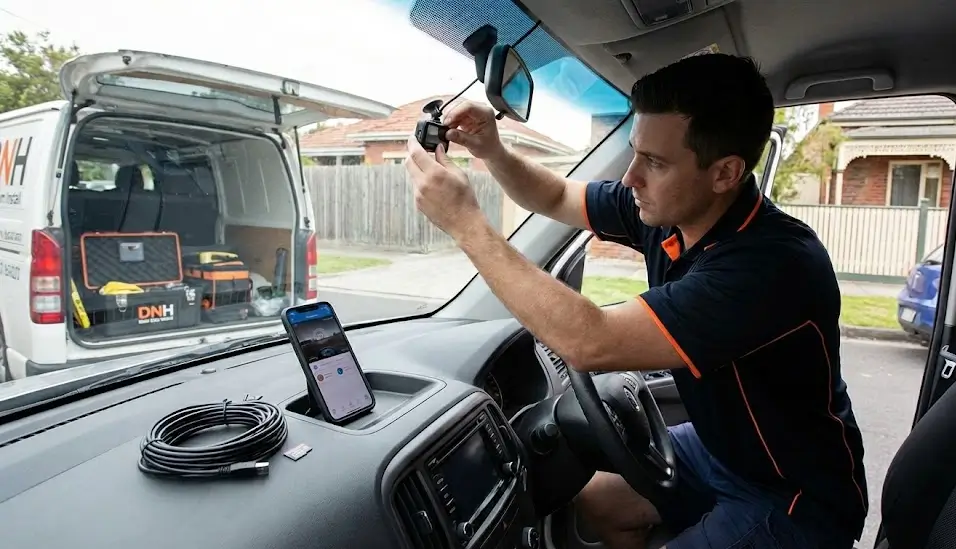
We’re DNH DashCam Solutions, a Melbourne mobile dash cam and reverse camera team, and we come to you within about 50 km of the CBD for cars, SUVs, vans, and utes. We focus on hidden wiring, stable power, and tidy mounts so it looks factory and records reliably.
With 25+ years of combined automotive experience, we know how to make parking mode, external battery packs, and multi-channel setups behave on modern electrics. Our workmanship is backed by a 24 to 36 month warranty plus after-install support for tweaks and upgrades.
If you are serious about a setup that holds up for the next five years, let’s build it properly from the start. We can install your own dash cam or recommend a supply and install package that suits your car, your driving, and how you park.