TL;DR: Dash cams require specialized memory cards because constant loop recording and high cabin temperatures quickly degrade standard SD cards. To avoid corrupted footage and sudden failure, always choose cards designed for high endurance and format them regularly.
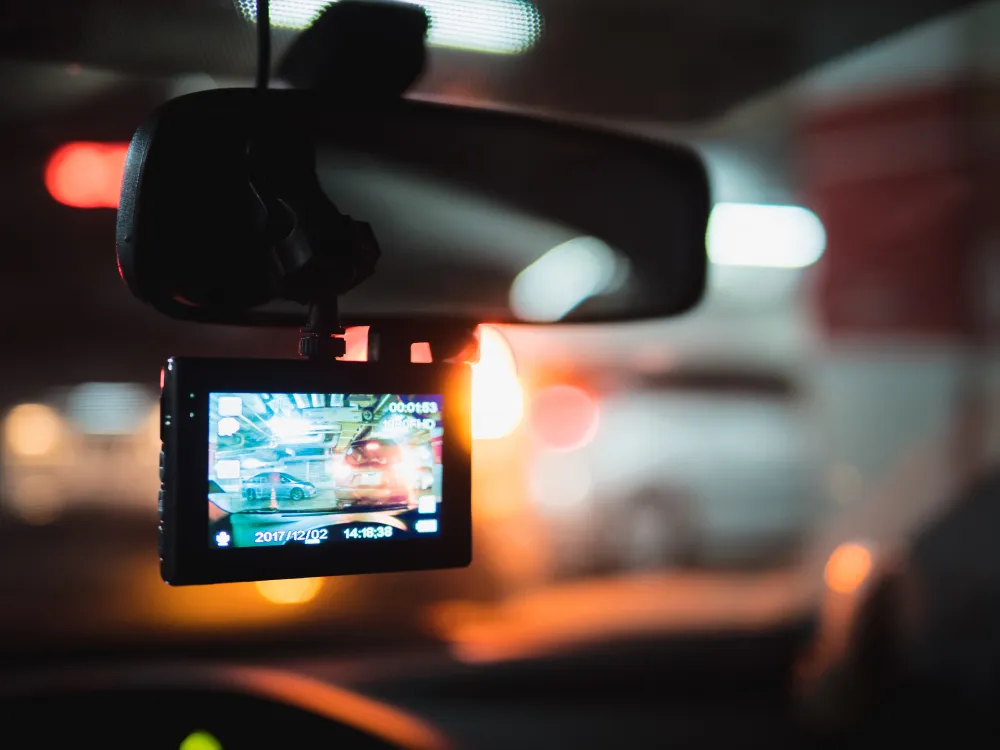
Your dash cam and tinted windows can get along if you choose the right film and set the camera up properly. When both are matched, you keep the cabin cooler and still capture clear clips that hold up if something goes wrong.
Go too dark and sharp number plates turn into smudges, especially once street lights take over. The camera cranks up gain, adds noise, and even small bumps can blur the frame just enough to hide key details.
Tint reduces the amount of light reaching the sensor, and less light means more image noise. The camera boosts gain to compensate, which can smear fine detail and make motion blur worse.
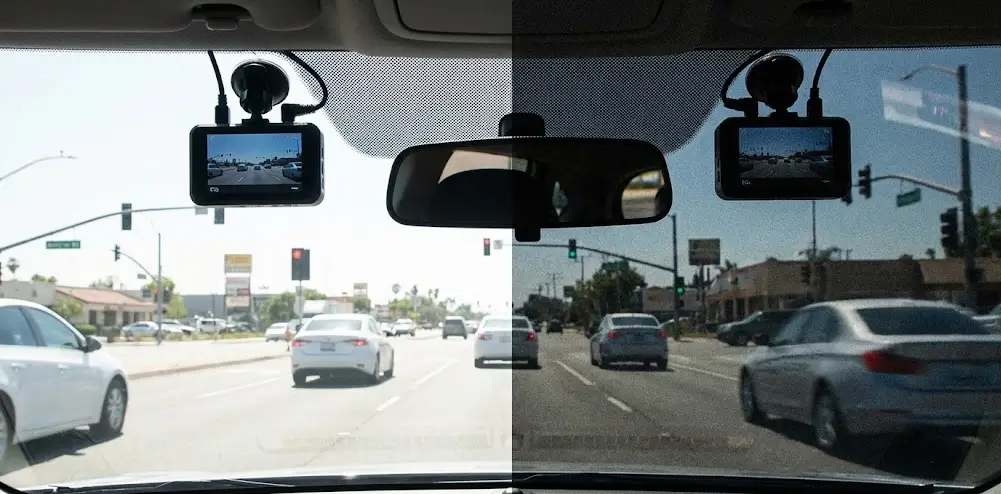
Visible Light Transmission, or VLT, is the percentage of light that actually makes it through your windscreen and tint film to the camera. Think of it like sunglasses for your car: the higher the VLT, the more light gets through.
A lower VLT looks darker to your eyes and the sensor, so the lens gets less light and the camera struggles to keep detail. That is when footage turns dim and grainy, and moving plates start to blur at night.
Daylight hides a lot of sins because there is plenty of light to work with, so even average settings can look crisp on your commute. After dark, that same tint starves the sensor, and even a quality dash cam can hit its limits, turning plates and faces into soft smudges.
Tint can take the edge off harsh daytime glare, which feels easier on your eyes and reduces dashboard reflections. At night though, the same film can make point light sources look harsher to a sensor that is already short on light.
Not all films behave the same way once a camera is involved. Pick the wrong one and you will fight issues that settings alone cannot fix.
Dyed films darken the view a little but usually do not interfere with electronics. They are a safe pick if your car relies on GPS, Bluetooth, or toll tags.
Carbon films add heat rejection without radio signal issues and they generally play nicely with dash cams. Keep the VLT moderate though, because very dark film will still hurt night performance and make plates harder to read.
Metallised films severely weaken radio signals, which upsets dash cam GPS, Bluetooth, and toll tags because the metal layer partially blocks the signal. This interference causes issues like slow lock times, dropouts in the city, and data problems where map overlays drift or speed stamps freeze.
Ceramic films offer excellent heat rejection and block UV without blocking GPS or toll tag signals, ensuring reliable dash cam features. Because they still reduce light, you must choose a moderate VLT and use a strong camera with real HDR to maintain plate readability after dark.
Certain tint films act like a polariser and can clash with your dash cam’s CPL filter, causing visual defects like colored bands or dark patches that hide key detail.
Darker film cuts scene brightness, so the camera slows shutter speed or raises ISO to cope. Slow shutter means moving subjects smear, and high ISO means softer detail and more noise.
Since plate readability is crucial, dark film often causes them to blow out under headlights. This results in a white rectangle or a muddy smear instead of clear characters when the camera uses a slow shutter speed.
Tint can mute the colour and brightness of signals when the sensor lacks light, making it hard to judge timing in playback.
People often blame the camera when the real culprit is how it is installed or set. Avoid these slip ups and you will save yourself a lot of pain later
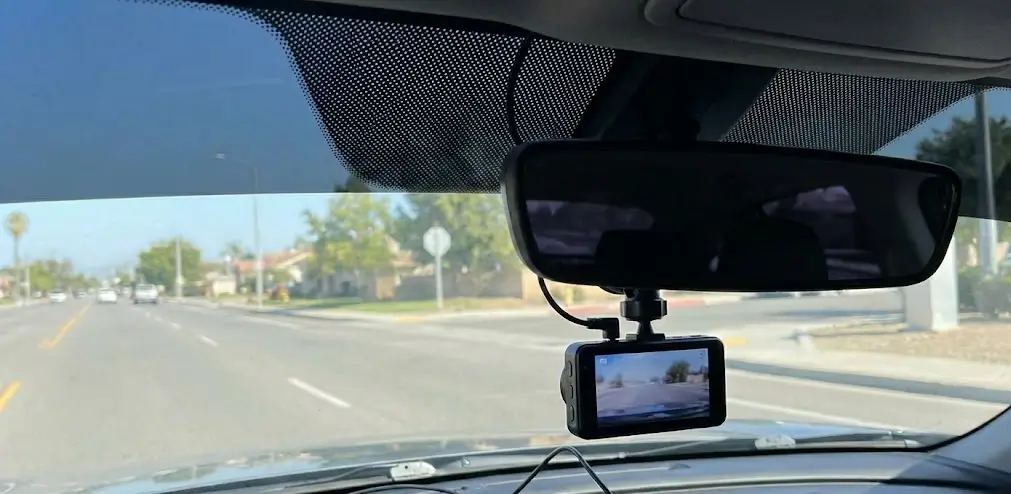
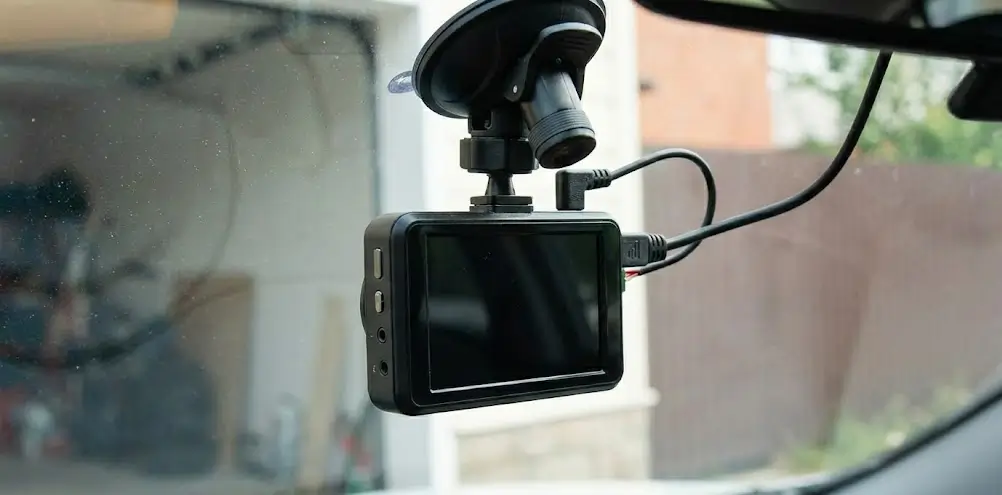
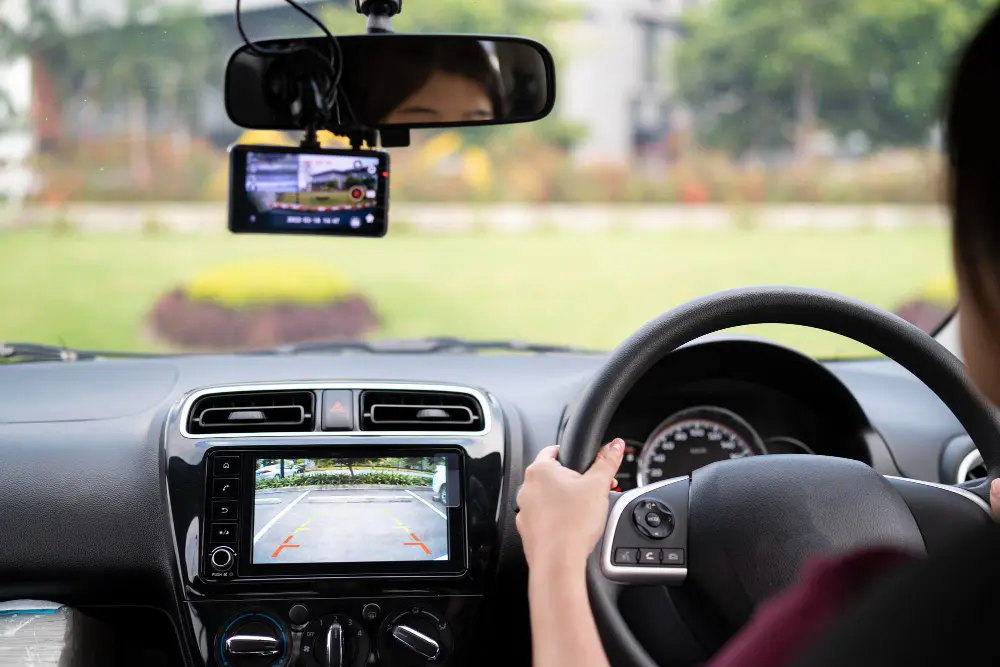
Hiding the camera behind the visor tint strip causes exposure sensors to struggle, as the lens views both dark and clear glass. This split-view confuses the camera, resulting in patchy HDR video where the road is often overexposed or the sky is crushed.
Dash cams brutally stress memory cards with constant loop recording and extreme heat, causing generic cards to fail and corrupt evidence. Always use “High Endurance” or surveillance-grade cards and maintain reliability by formatting them monthly.
Australian heat turns parked cars into ovens, causing lithium batteries to swell or fail. Choose cameras with supercapacitors for heat resistance, and use an external battery pack for safe 24/7 parking mode.
Hiding dash cam cables in the A-pillar can dangerously obstruct curtain airbags during a crash. Professional installation safely routes wiring behind the airbag mechanisms, ensuring proper safety system deployment and preventing rattles.
At DNH Dash Cam Solutions, we’re a Melbourne-based mobile team with 25 years of experience, focused on clean, factory-style installs that actually work. We come directly to you anywhere within 50km of the CBD, making life easier whether you’re managing a fleet or just upgrading the family car.
We supply quality gear and handle the wiring so your cabin looks untouched, but we’re just as happy to install a camera you bought yourself. Plus, we stand by our work with real aftercare and advice, ensuring your warranty stays safe and your setup lasts.
If your dash cam and tinted windows are fighting, we can make them work together.